How to buy USD Coin (USDC)
Category: token
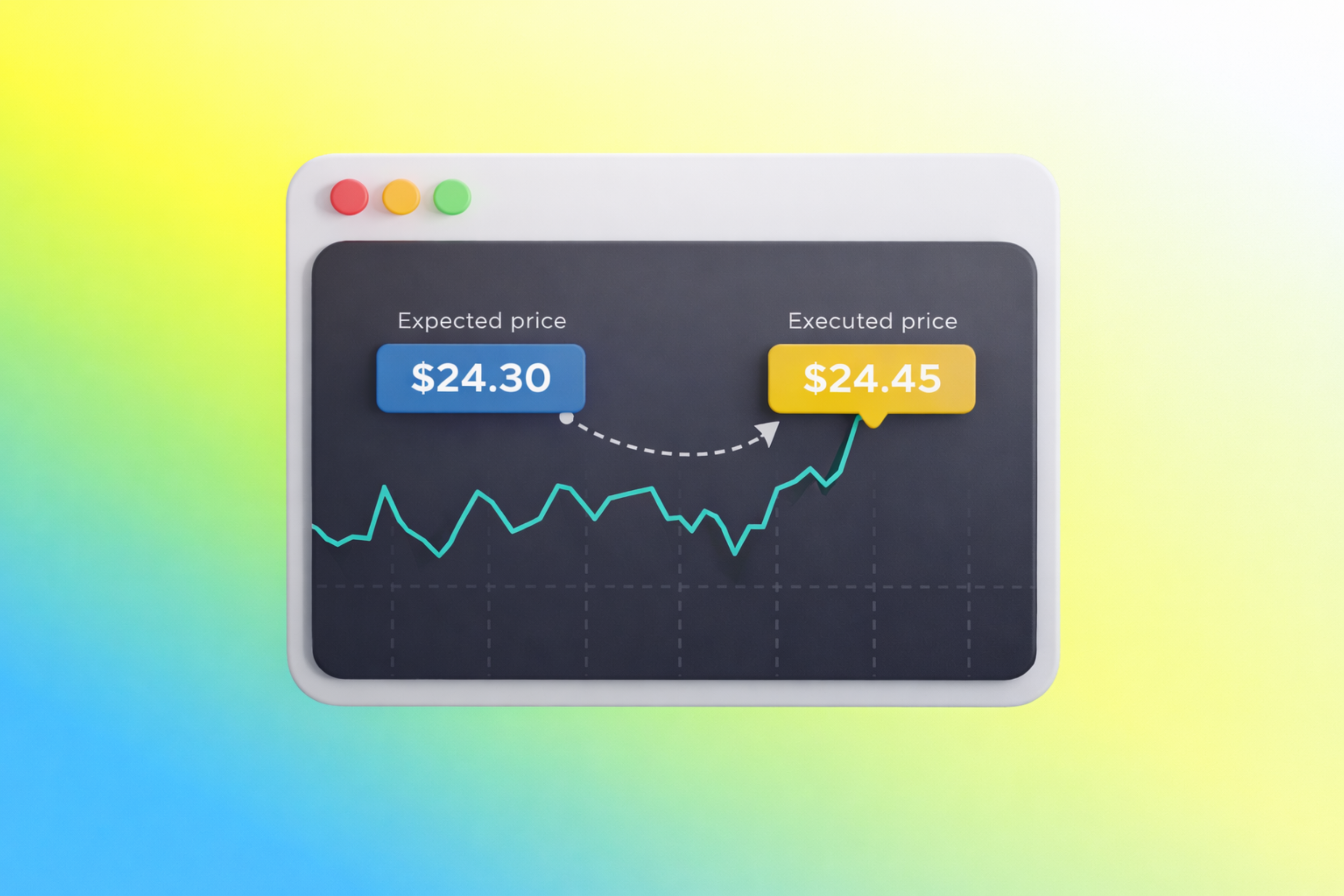
Prices can change while your trade is being processed. That’s called “slippage,” the gap between the expected price you see before submitting a trade and the execution price you get.
You might start a crypto trade expecting one price, but it finishes at another. That difference is “slippage.” These small discrepancies can add up over time.
It happens when:
You can manage slippage by setting a slippage tolerance, trading smaller amounts, using limit orders, or waiting for calmer market conditions. In this guide, we help you understand what those terms mean.
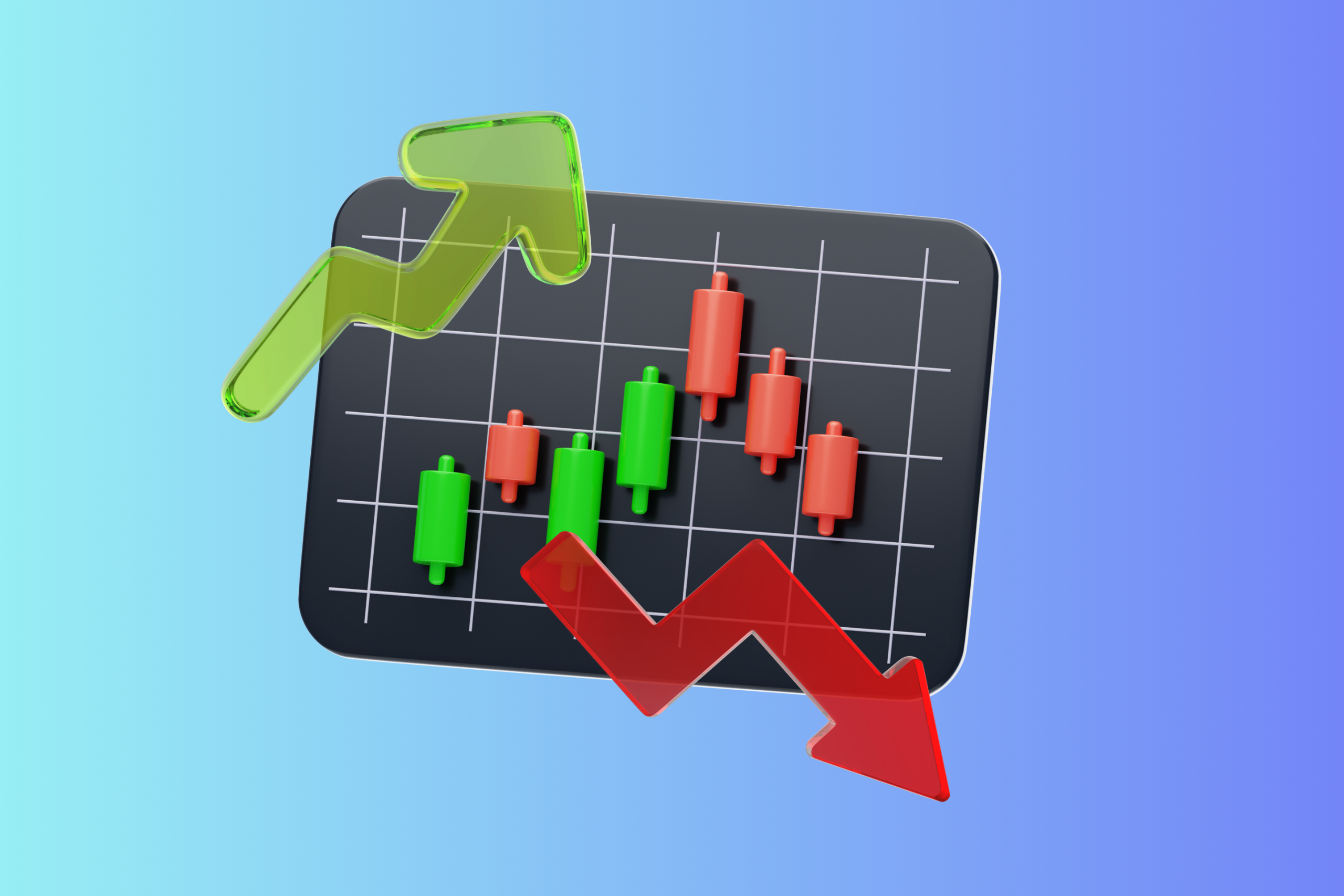
Slippage is the difference between your expected price and the execution price at the moment of trade execution. The gap can be big or small, depending on price movement at the moment you trade.
Slippage shapes your real trading cost:
To better understand these ideas, start with the basics of how the blockchain processes trades in What is Ethereum? Then read NFT gas fees explained to see how transaction costs affect overall trading experience.
On automated market maker (AMM) exchanges, which are crypto platforms that use algorithmic pricing and liquidity pools rather than matching individual buyers and sellers, slippage occurs when your swap removes tokens from a shared liquidity pool, and the system automatically adjusts the price based on what remains.
Prices in fast-moving and volatile crypto markets can shift between the moment you click to enter a trade and when your trade executes. Big news, new token launches, or economic updates can all increase market volatility.
On traditional exchanges, if there aren’t enough buy or sell offers at your price, your trade moves to the next available one in the order book, which changes your final cost. On AMMs, small liquidity pools mean fewer tokens, so even one swap can move prices more and increase slippage.
Large trades can use up multiple price levels in the order book or shift prices more on AMMs.
When you make an on-chain swap (a trade done directly on the blockchain), it waits to be added to the next block, like a page in a public ledger. When many people trade at once, that waiting line (called the “mempool”) fills up, and smart contracts compete to be processed first.
This slows everything down, like traffic on a busy highway. Prices can move while you wait for your transactions to be processed. You can check real-time activity and gas fees (small payments that keep trades moving) on the Etherscan Gas Tracker.
Slippage tolerance is the limit for how much the final trade price can move from your quote. If it moves beyond that limit, the trade cancels automatically.
A tight limit lessens the amount of potential slippage, but the trade may fail if prices move fast. A wider limit increases the chance of success but accepts more price movement.
Most trading apps have settings that let you adjust the slippage tolerance.
Learning how slippage works helps you make more informed trading choices. By setting a clear slippage tolerance, choosing the right order type, matching your trade size to liquidity, and avoiding high market volatility, you can trade with more consistent results.
Disclaimer: This content is for informational purposes only and should not be construed as financial or trading advice. References to specific projects, products, services, trading strategies or tokens do not constitute an endorsement, sponsorship, or recommendation by OpenSea. OpenSea does not guarantee the accuracy or completeness of the information presented, and readers should independently verify any claims made herein before acting on them. Readers are solely responsible for conducting their own due diligence before making any decisions.
Lower slippage helps control trading costs in crypto. Small price gaps in cryptocurrency trades can add up over time.
Use limit orders, trade high-liquidity pairs, and size trades smaller. Set careful slippage tolerance, avoid busy networks and volatile markets, and check the Ethereum Gas Tracker before submitting.
Formula: (Executed − Expected) ÷ Expected.
Example: If your fill price is 204 and the quote was 200, slippage is 2%.
It’s the limit for how much the final price can move from your quote before a trade cancels. Tight limits give control but may cause more trades to fail. Loose limits complete trades but risk more slippage.
Yes. Positive slippage occurs when your order fills at a better rate than quoted, which sometimes happens as liquidity refreshes or spreads tighten.

Sign up for our newsletter
Join our newsletter to get web3 news, updates, interviews, and deep dives all in one place.